Nitric oxide may sound like a scary word, but this small molecule plays many important roles in the body and provides significant benefits for vascular health, heart health and more. But how do you make sure you are getting enough of this important nutrient? Here is everything you need to know about nitric oxide and how to boost your nitric oxide levels.
What is nitric oxide?
Nitric oxide (NO) is a molecule that the body produces naturally. It supports blood circulation, helping to deliver nutrients and oxygen to every part of your body more effectively.
Boosting your nitric oxide levels can be as simple as incorporating foods rich in dietary nitrates. The body can convert nitrate to nitrite and subsequently to nitric oxide, ultimately promoting overall nitric oxide levels.

Why is nitric oxide good for you?
Nitric oxide is best-known for its heart health benefits. It is important for healthy blood flow, and it helps to maintain elasticity in the arteries and blood vessels and support already-healthy blood pressure. Clinical studies have shown that supporting nitric oxide levels through L-arginine intake may help maintain healthy blood pressure.
But nitric oxide has many other physiological effects as well, including support for the immune system, muscle movement, exercise performance, normal sexual function in men, and brain function.
Foods that help increase nitric oxide production
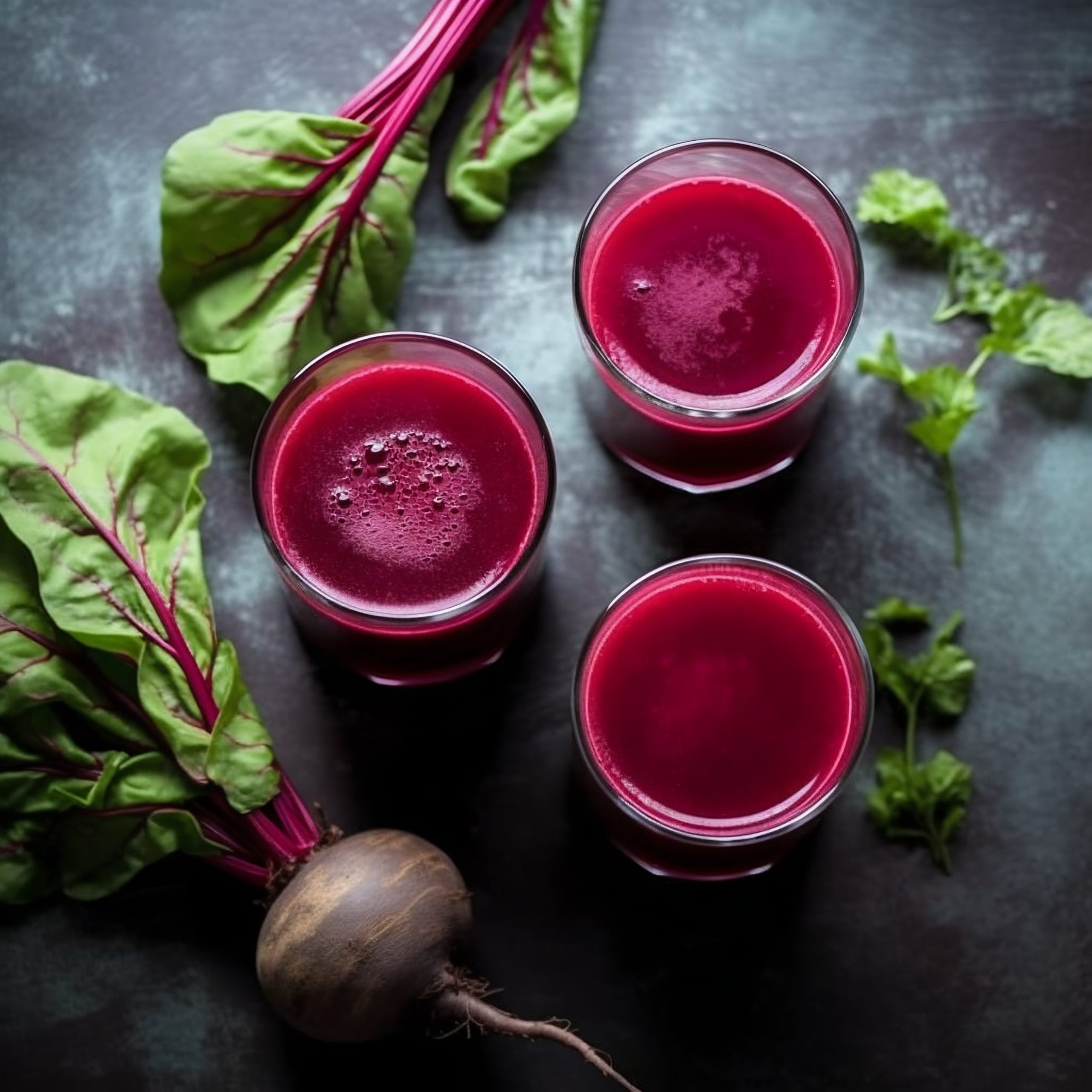
You can help increase your NO levels through the intake of foods loaded with plant nitrates and L-arginine.
Beetroots:
Beetroots take the cake when it comes to dietary nitrate content. In fact, beetroot juice offers 11.4 grams of dietary nitrates per liter. They are also particularly high in arginine, the amino acid that the body can convert to nitric oxide. Additionally, research shows beetroot nutrients may help support already-healthy blood pressure levels and support a healthy inflammatory response.
Radish:
Radishes are another nitrate-rich food with 625 mg per 100 grams, so it makes the list for supporting healthy blood flow. Not only that, but radishes are rich in flavonoids, and each color variation—from red to purple to white—offers unique health benefits.
Celery:
Celery is another vegetable with a high level of nitrates. This may explain why the celery juice trend has become a popular way to support already healthy blood pressure and heart health. Celery also may help relieve occasional bloating.
Lettuce:
Vegetables are the most important source of nitrates in the human diet, especially leafy greens. Studies suggest that nitrate levels in leafy greens tend to be higher than in root vegetables. Interestingly enough, cooking may slightly reduce raw vegetable nitrate content.
Mint:
Mint is often thought of as a garnish, but it offers an impressive amount of nutrients, especially nitrates. Tossing a handful into your salad or smoothie is a smart way to help boost your nitric oxide levels.
Tarragon:
Though typically used in small amounts while cooking, tarragon is a spice that is rich in nitrates by weight.
Spinach:
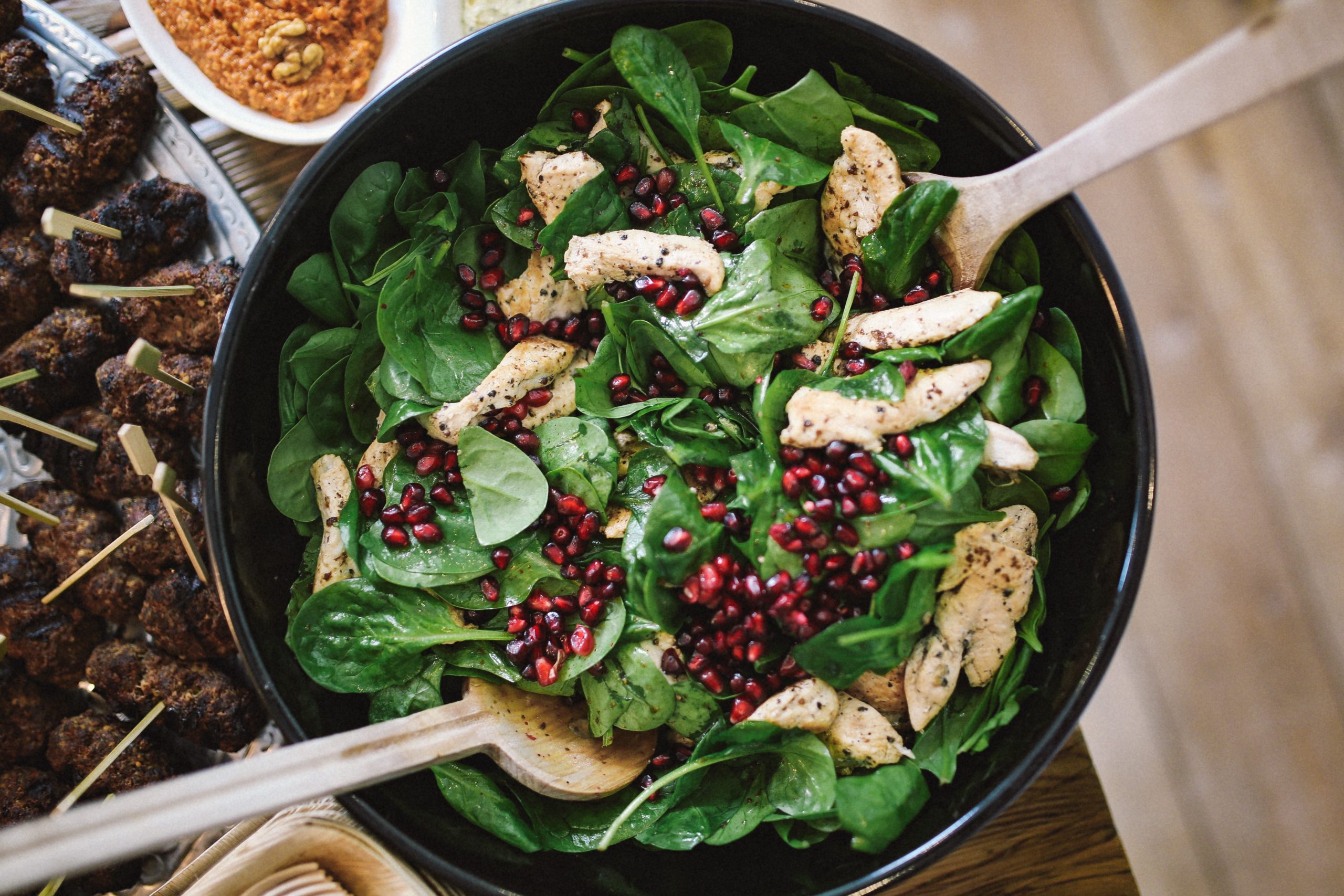
Vitamin C is often associated with citrus fruits, but leafy greens like spinach, kale and romaine are also particularly rich sources. Not only that, but spinach may help increase your nitric oxide levels thanks to its high level of nitrates. Spinach is also a great source of potassium in your diet.
Chickpeas:
Besides being a plant-based source of protein, chickpeas (sometimes called garbanzo beans) also contain a significant amount of the amino acid arginine. Roasted chickpeas are a great way to enjoy a nutrient-rich snack.
Almonds:
A mainstay in the Mediterranean Diet, almonds are also a notable source of arginine. They are also a source of good fats, making them a heart-healthy food.
Aronia berry:
While indulgences like dark chocolate and red wine often get the recognition for being antioxidant powerhouses, don’t count out aronia berries. Aronia berries may be small in size, but they are packed with polyphenols and vitamin C, a water-soluble nutrient and antioxidant important for immune health and collagen production in the skin.
Pumpkin seeds:
Pumpkin seeds are packed with nutrients like plant-based omega-3 fats, and they also have a high arginine content compared with most other foods.
Pomegranate:
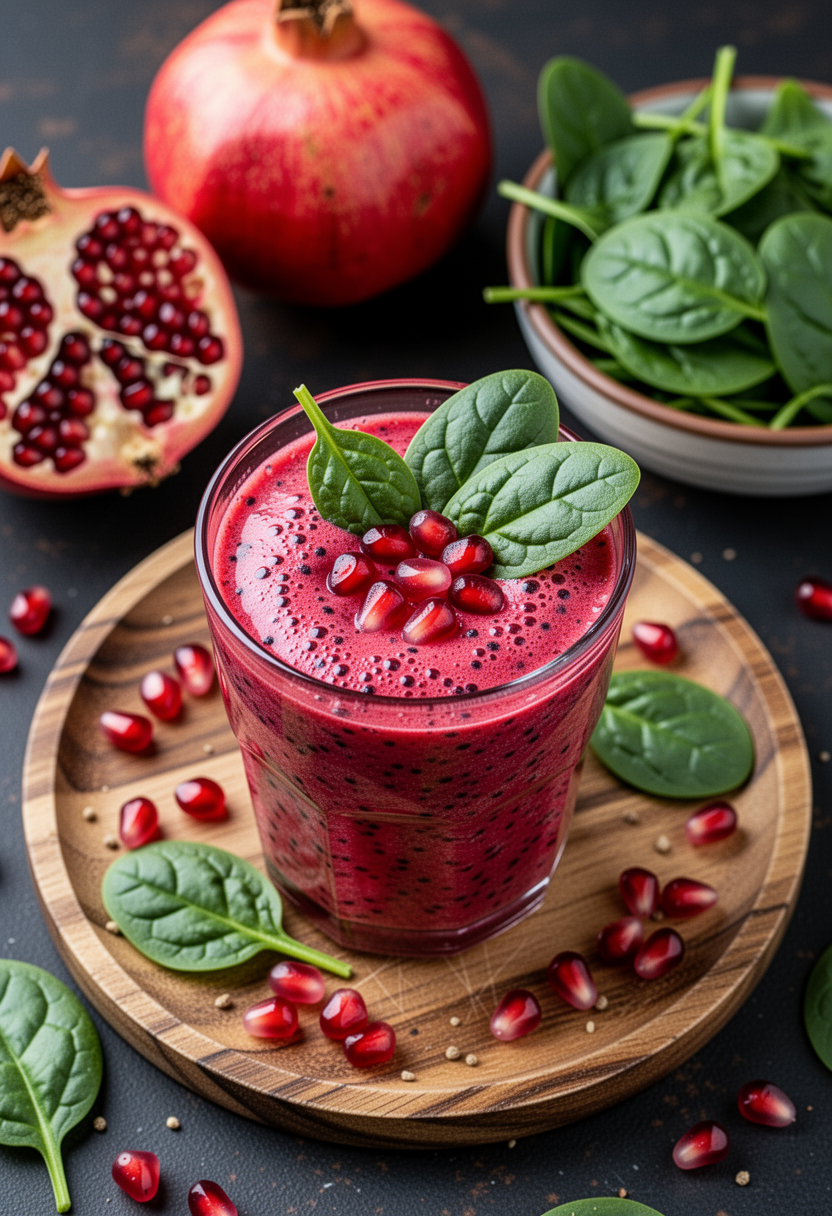
What you consume pre- and post-workout is important for exercise performance. According to research, consuming antioxidant-rich pomegranates as a pre-workout option may be smart idea. Antioxidants help fight potential age-related oxidative stress. Also, pomegranates have a high dietary nitrate content and are a good source of nitric oxide synthase—and pomegranate pairs well with spinach for a healthy salad. Do you prefer a supplement over a salad?
Garlic:
Fermented garlic may help support cardiovascular function and increase vascular nitric oxide bioavailability, or the body’s ability to absorb and utilize it. In a recent study, those who took fermented garlic were better able to support cardiovascular health compared with those who did not consume it.