Perimenopause is a natural stage of life, but it can bring unexpected changes. From irregular periods and hot flushes to mood changes, brain fog, and disrupted sleep, your body is preparing for menopause—and every woman’s journey is unique.
What exactly is premenopause?

Premenopause is the period before menopause when women experience changes in their menstrual periods, including variations in volume and frequency. Premenopause generally lasts two to eight years and is often accompanied by menopausal symptoms. Menopause occurs when menstrual periods have been absent for 12 consecutive months.
All about hormones.
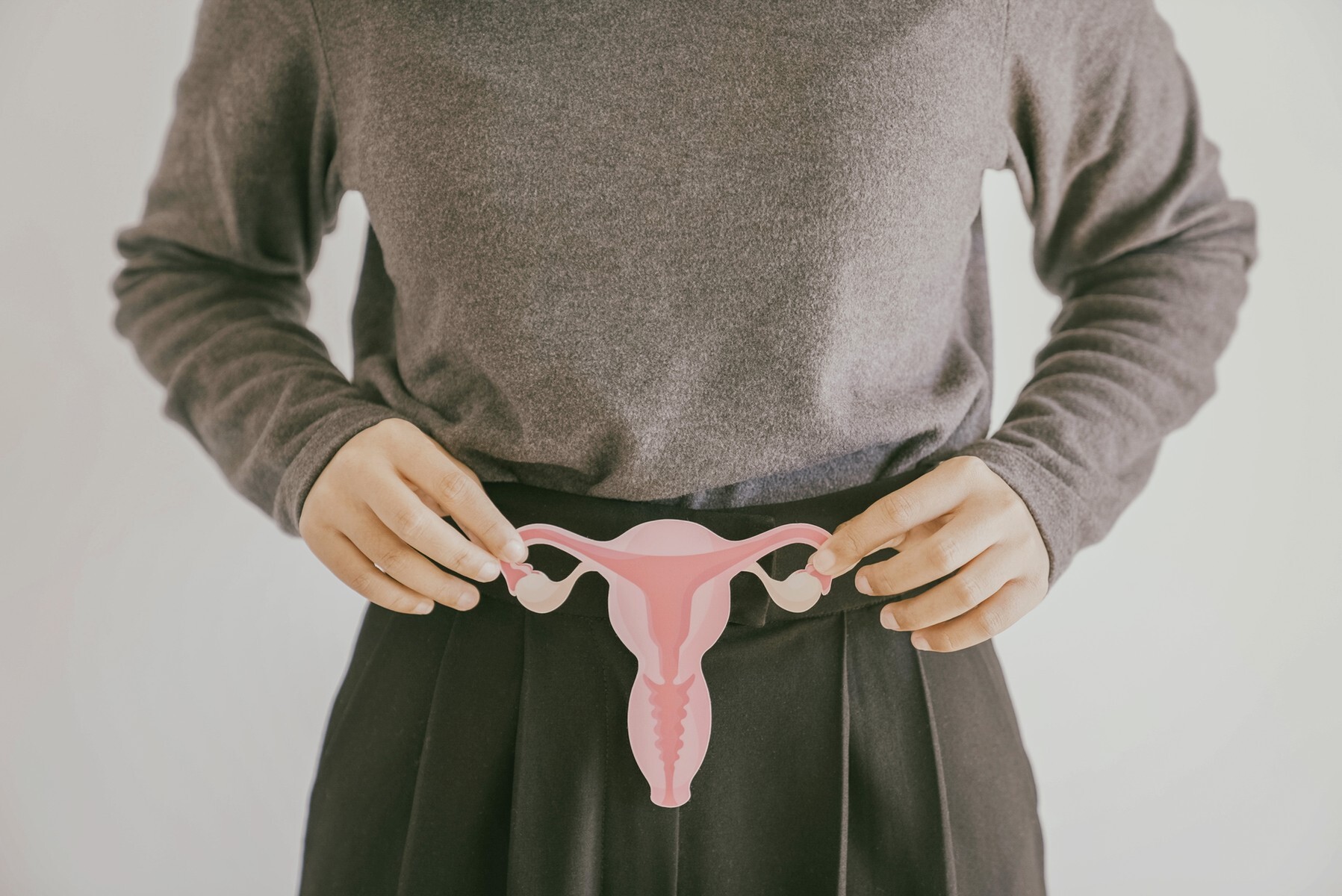
A decline in female sex hormones, estrogen and progesterone, is responsible for phenomena and symptoms associated with premenopause and menopause. Both hormones are produced by the ovaries. Estrogen plays a role in ovulation, while progesterone prepares the uterus to receive a fertilized egg. This decline usually occurs between the ages of 45 and 55.
Hot flashes and night sweats.

Unfortunately for some women, hot flashes can appear two to five years before menopause. In fact, it has been found that the earlier they start, the longer they last. Known as a vasomotor symptom—linked to the dilation and constriction of blood vessels—hot flashes along with night sweats are among the most intense physical manifestations of menopause. Flashes come on suddenly, may vary in duration, and feel as though your interior heating system is diffusing heat through the chest, neck, and face. Between 75% and 85% of women experience this symptom.
Headaches and dizziness.
Fluctuations in blood pressure can also trigger headaches and migraines in premenopausal women. Those who are already prone to these problems may see them worsen during this period. New or increased instances of vertigo, defined as a false impression that your body or the environment is spinning, may also accompany this transition. Exact causes are more difficult to pinpoint, however, as they appear to be diverse and numerous.
Mood disorders.

According to a 2023 article from The Guardian, 69% of 2,000 women surveyed reported experiencing anxiety and symptoms of depression during premenopause or menopause. These difficulties, along with sadness and irritability, number among the mood disorders that can affect mental health. A multitude of causes include not only hormonal imbalances, but also problems resulting from other symptoms, like poor sleep due to night sweats.
Memory and concentration problems.

Trying to recall the name of a person or place, forgetting where you put an everyday object, and having trouble concentrating on a subject or task are just some of the issues that can arise during premenopause. Known as brain fog, this phenomenon is probably caused by hormone fluctuations, mood disorders, and other symptoms affecting sleep.
Joint pain.

Falling estrogen levels are particularly to blame when it comes to menopausal joint pain, also known as menopausal arthralgia. Estrogen has anti-inflammatory properties and reduces tendon and ligament rigidity, so reduced levels can increase the chances of injury and inflammation, which in turn leads to pain.
Urinary and genital problems.

Genitourinary syndrome of menopause refers to major disorders that can affect female genital and urinary organs. The most common symptoms include vaginal dryness, pain during intercourse, incontinence, and frequent urinary or vaginal infections. More than 50% of premenopausal and menopausal women experience a reduced quality of life due to this syndrome.
Skin and hair.
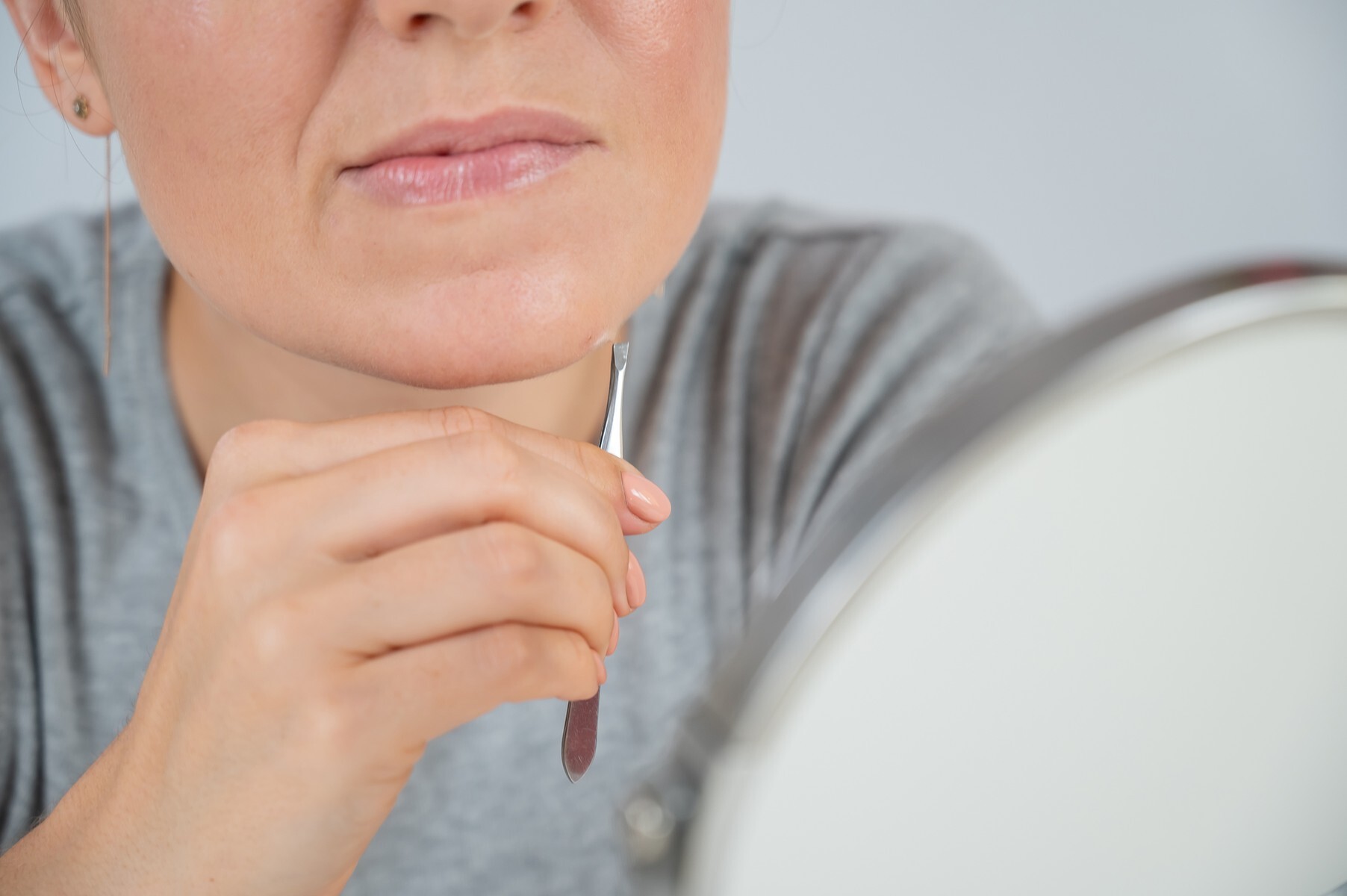
A drop in estrogen production increases the proportion of androgens (male hormones) in the body, which can lead to hair growth in “masculine” areas, such as the chin and face. Paradoxically, menopause can also lead to hair loss as hair thins and grows more slowly. Skin also becomes thinner, drier, and less elastic and firm.
Insomnia.

Hormonal imbalance, brought on by premenopause, is also likely to affect sleep quality. In fact, some studies report that sleep disturbances increase dramatically between the early forties and fifties, from 12% to 40% of women. Insomnia is defined as difficulty falling or staying asleep. While hormonal disturbances alone are enough to cause this problem, hot flashes and night sweats increase the risk of occurrence.
Fatigue.

Fatigue during premenopause is a consequence of other symptoms, namely physiological and psychological changes that impact energy levels. The result is a vicious cycle in which headaches, joint pain, anxiety, and similar problems disrupt sleep, which then leads to fatigue.
Healthy living.

Alleviate premenopausal symptoms naturally by adopting healthy lifestyle habits. Physical activity, a balanced diet, not smoking, maintaining a healthy weight, learning to manage stress, and limiting screen time are all concrete actions that can help reduce the effects of hormonal changes.
Solutions.

Treatment options and strategies are available such as hormone therapy, depending on the type of discomfort experienced. Certain medication or supplements, for example, initially intended for other uses (depression, neurological disorders), are proving effective against hot flashes. Meanwhile, an improved skin care routine can help manage dry skin, and appropriate exercise along with cold compresses can help relieve joint pain.
Consulting a doctor is a good idea.

Premenopause and menopause are complex conditions that can vary enormously from one person to another. Women experiencing one or more symptoms related to this stage of life are advised to consult a healthcare professional for advice or treatment tailored to their particular case.
The more you understand these changes, the better equipped you’ll be to support your health and wellbeing. Listen to your body, prioritise self-care.