Regular consumption of nuts may aid in reducing cholesterol levels and promoting heart health. While cholesterol is necessary for your body, excessive amounts can increase the risk of heart disease, which makes incorporating fiber-rich foods like nuts a beneficial choice for your diet.
1. Walnuts
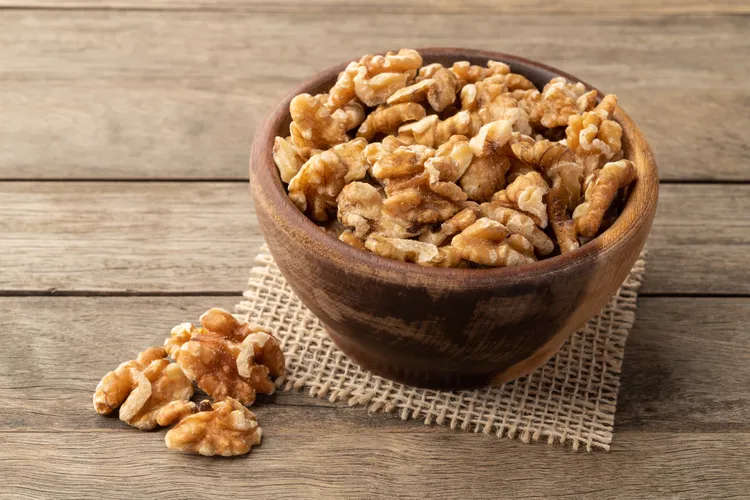
Walnuts contain various beneficial nutrients, including polyunsaturated fatty acids, which are important fats that promote cell health and help decrease inflammation. They may also aid in lowering cholesterol levels by removing low-density lipoprotein (LDL) cholesterol from the bloodstream.
Walnuts contain soluble fiber, which aids the body in eliminating LDL cholesterol. Regular consumption of walnuts may reduce total and LDL cholesterol levels in individuals who are obese. It may also decrease blood triglyceride levels.
2. Almonds
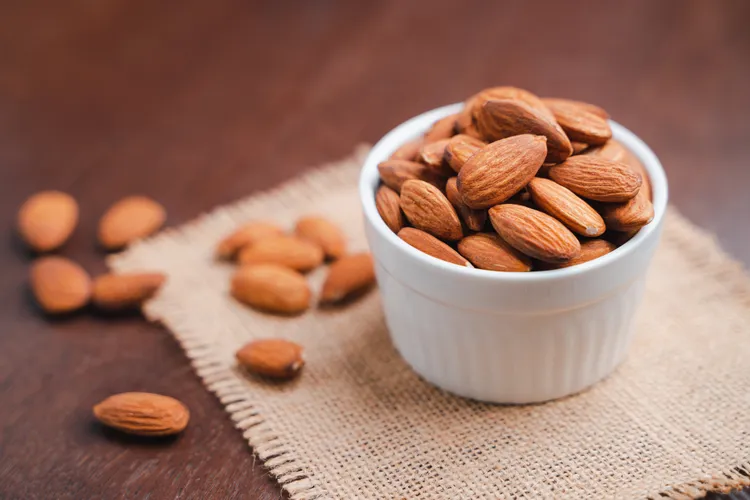
Almonds, similar to walnuts, are high in healthy fats that can help maintain cholesterol levels. Incorporating almonds into your diet may reduce LDL cholesterol and enhance high-density lipoprotein (HDL) cholesterol. Consuming 45 grams (approximately one-third cup) of almonds daily could decrease the risk of dyslipidemia, a condition characterized by abnormal lipid levels in the blood.
Almonds are a source of phytosterols, which are plant compounds that assist in reducing LDL cholesterol levels.
3. Hazelnuts
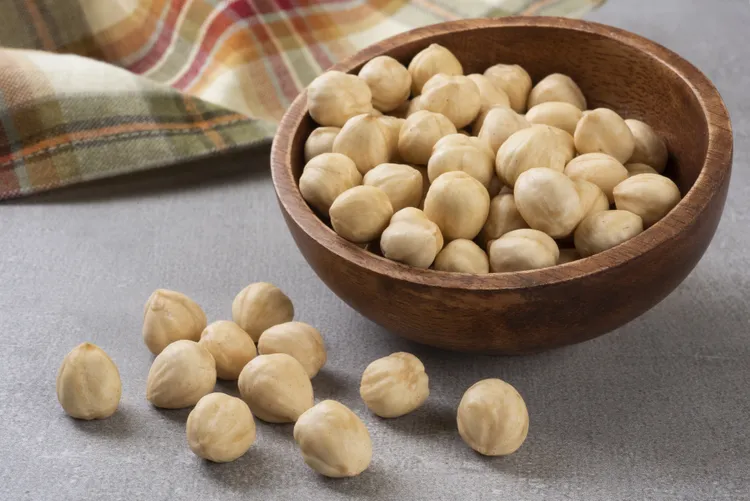
Hazelnuts contain a significant amount of fiber, which has the potential to reduce overall cholesterol levels. A 100 g serving of hazelnuts offers 9.7 g of fiber.
4. Pecans
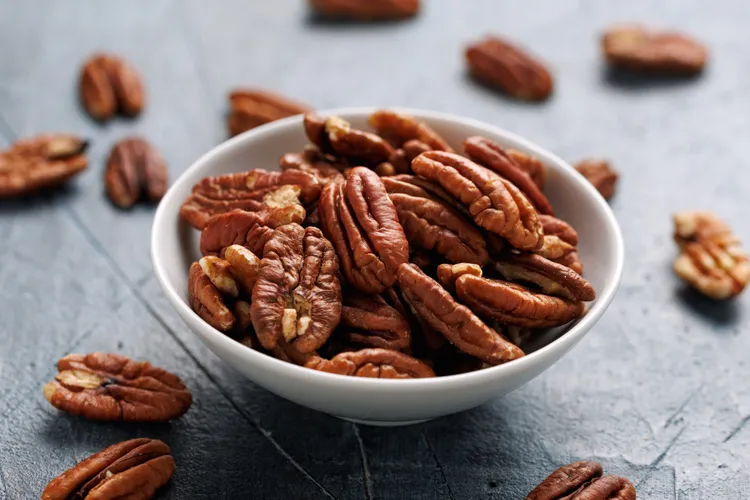
Pecans are commonly used in pies and various baked goods, but they can also be enjoyed independently. Research indicated that individuals who consumed a diet high in pecans exhibited lower LDL cholesterol levels compared to those who did not regularly include pecans in their diet.
5. Pistachios
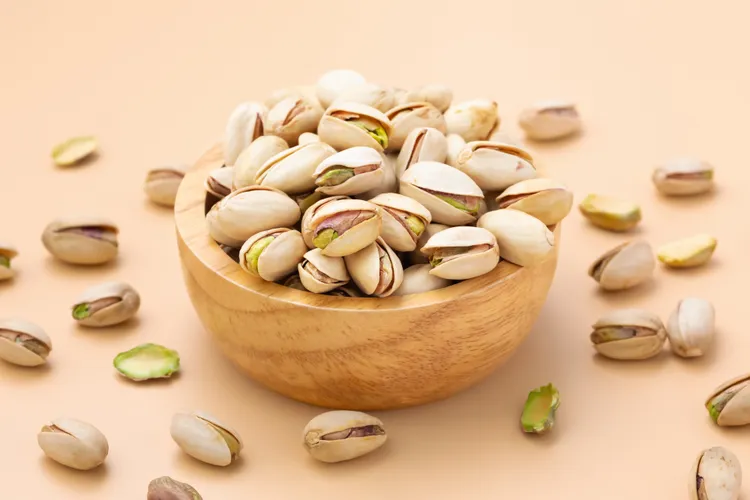
Pistachios are seeds that are commonly categorized as nuts and may contribute to maintaining healthy cholesterol levels. Incorporating pistachios into your diet might lower LDL cholesterol levels while increasing HDL cholesterol levels.
Raising HDL cholesterol levels is significant because HDL helps to remove and eliminate LDL cholesterol from the body.
6. Peanuts
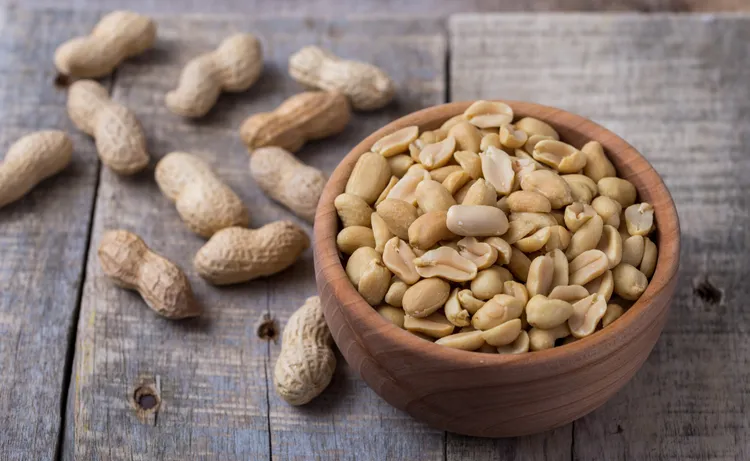
Although peanuts are in the legume family (like peas, beans, and lentils), they are beneficial for cholesterol levels.
A review indicated that peanuts contain high levels of phytosterols, which assist in preventing the absorption of dietary cholesterol. Regular consumption of peanuts may lower both total and LDL cholesterol levels. However, further research is necessary to understand the effect of peanuts on HDL levels.
7. Cashews
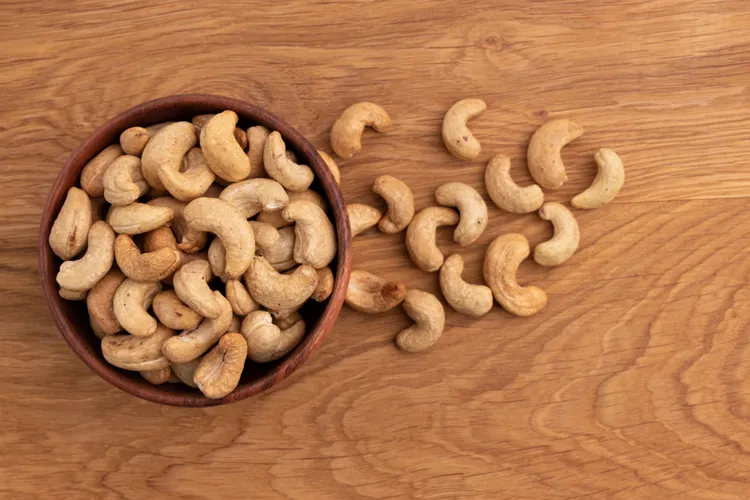
Consuming cashews might help reduce cholesterol levels, although further research is required. A study indicated that incorporating cashews into a typical diet could lead to a decrease in total and LDL cholesterol.
However, another review found that cashews had very little effect on cholesterol levels.
8. Macadamia Nuts
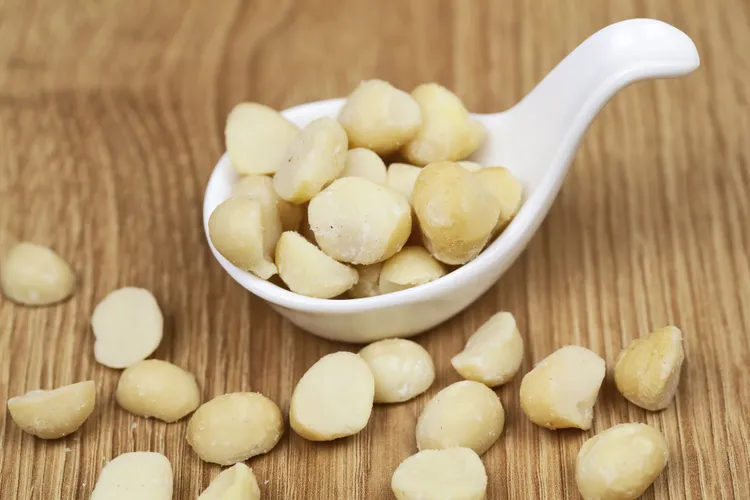
Incorporating macadamia nuts into your diet may have a positive effect on cholesterol levels. Studies have indicated that consuming macadamia nuts might reduce LDL cholesterol while increasing HDL cholesterol. However, further research is necessary to verify these results.