When you’re running on empty, even good advice can feel exhausting. Drink more water. Sleep better. Move more. Eat well. Meditate. The problem isn’t knowing what matters. It’s knowing where to begin. And when you’re already depleted, trying to change everything at once can feel like one more thing to fail at.
“By the time many people notice burnout1, they’re already running on low energy, poor sleep and very little patience,” says Maria Carpenter, Head of Momentum Multiply, Momentum Health’s wellness rewards programme. “When you’re mentally and physically stretched, one small change that fits your life is often more powerful than an ambitious plan.”
Research2 shows that habits tend to stick through repetition, not short bursts of effort. Some routines feel natural quickly, while others take longer. That’s why consistency matters more than going all in for a week.
So, if you’re feeling burnt out, don’t ask yourself how to become a whole new person by Monday. Rather ask where you can start.

1. If everything feels harder than it should, start with sleep
If you’re exhausted, irritable and struggling to focus, sleep is often the most practical place to begin. Studies3 have linked burnout with poor sleep quality and daytime sleepiness, which can leave people feeling stuck in a cycle of fatigue and stress. You don’t need a perfect sleep routine overnight. Start with one consistent cue. That could mean putting your phone away earlier, dimming lights at the same time each evening, or keeping your wake-up time more regular during the week.
2. Choose food that supports steadier energy, not more pressure

When people are burnt out, nutrition advice can quickly become overwhelming. But food doesn’t have to be another stress point. Growing evidence4 suggests that healthier dietary patterns are associated with better mood, lower perceived stress and improved mental wellbeing. That doesn’t mean every meal needs to be perfect. It may be as simple as eating a healthy breakfast more consistently, adding protein and fibre earlier in the day, or making sure lunch is more than coffee and convenience food.
3. Build recovery into your day, not just your weekend
One of the biggest mistakes people make is waiting until they are completely overwhelmed before they try to recover. But small recovery moments during the day matter too. Mindfulness and mental wellbeing tools can help reduce burnout symptoms, although they are not a magic fix. In practical terms, recovery might look like a few minutes of breathing between meetings, a short walk without your phone, or a screen-free lunch break. “Recovery is often treated as damage control, but it can also be about building a life that supports your wellbeing more consistently,” adds Carpenter. “Give yourself permission to start small. Not because your wellbeing matters less, but because that is how lasting change is built.”
4. Pick one habit and stick with it before adding another
This may be the most important advice of all. Burnout often convinces people that they need a total reset. In reality, lasting change is more likely when one habit becomes stable enough to support the next. That means your “starting point” should be the habit that feels most realistic right now, not the one that sounds most impressive. If sleep is the problem, start there. If your energy dips every afternoon, begin with nutrition. If stress is taking over your day, start with a simple recovery practice.
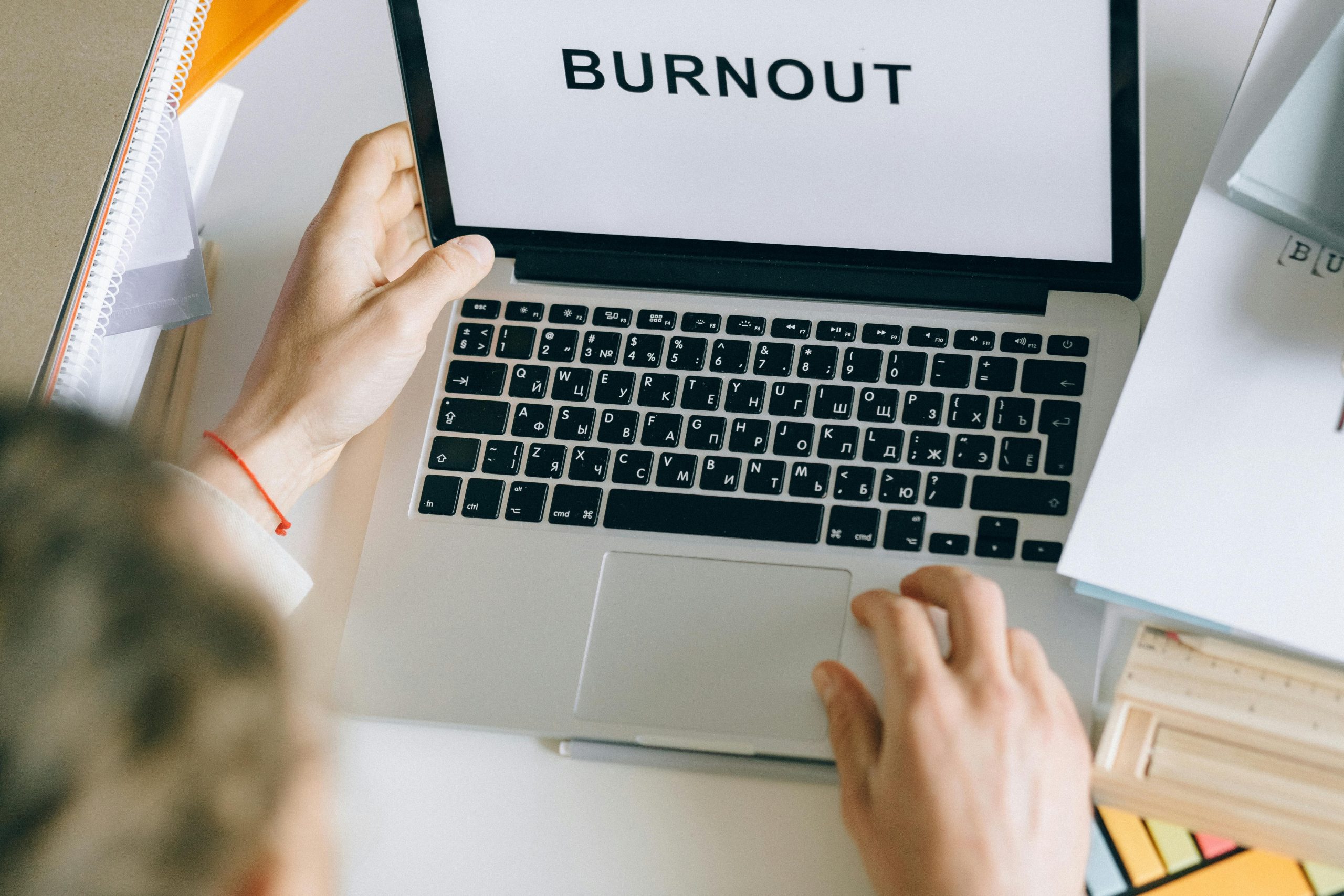
Small, realistic steps may not feel dramatic, but they are often the ones that last.
For more information, visit Momentum Multiply, Momentum Health’s complete wellness rewards programme, and get rewarded from day one for every step you take towards taking ownership of your health.