Food labels are supposed to help people make better nutrition choices. In practice, many are difficult to understand, especially when ingredients appear under unfamiliar names.
Sugar alone can appear in many forms, including glucose, fructose, sucrose, dextrose, maltose, and other terms ending in “-ose”. Additives, preservatives, colourants, and stabilisers can be even harder to interpret in the few seconds shoppers usually have to make a decision.
A recent South African study on food labelling highlights the ongoing challenge of consumer awareness, understanding, and use of food labels, reinforcing the need for simpler tools that support better choices without expecting shoppers to become nutrition experts.
What The Food
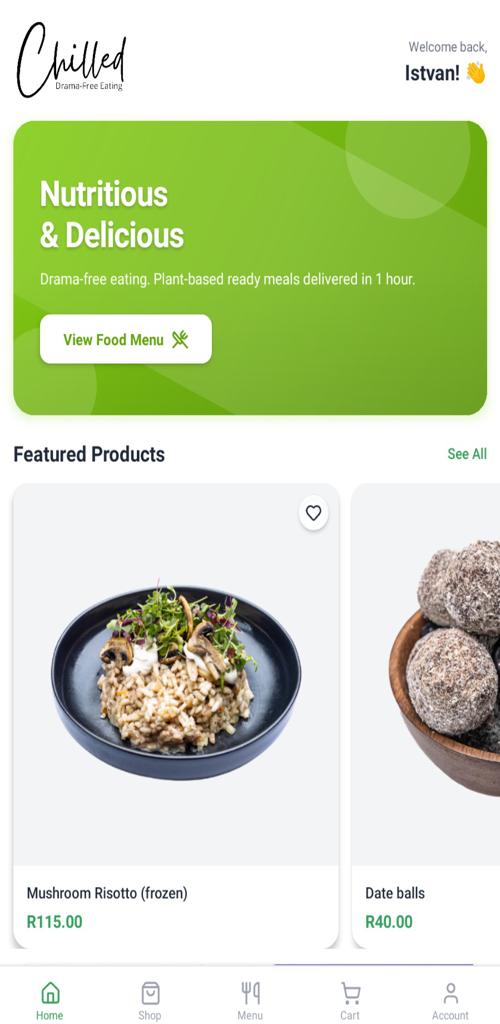
That confusion is exactly what Chilled Lifestyle is taking on with the launch of its new What The Food (WTF) scanner in the Chilled app.
The feature allows users to scan the ingredient panel on food packaging and receive a simple wellness score, helping them understand which ingredients are generally positive, which may raise concerns, and which deserve a closer look. The new feature is designed to take the drama out of daily nutrition choices, empowering consumers to make informed decisions.
The launch forms part of Chilled’s broader wellness purpose of making healthier eating feel easier, more practical, and less intimidating for everyday consumers. It all comes down to WTF is actually in this food?
“People should not need a chemistry degree to understand what they are eating,” says Yaron Assabi at Chilled Lifestyle.
“The WTF scanner gives consumers a faster way to decode labels, understand ingredients, and make choices that feel right for them. It is not about creating panic but giving people confidence in the food they buy.”
Globally, food safety and consumer advocacy groups continue to raise questions around certain additives and ultra-processed ingredients.
The Environmental Working Group’s 2026 consumer guide, for example, flags ingredients such as titanium dioxide, BHA, BHT, certain artificial dyes, sodium nitrite, and other food chemicals it believes consumers should watch more carefully.
While regulations differ between markets, the broader issue is clear: consumers increasingly want to know what is in the food they buy.
In South Africa, food additives are regulated by the Department of Health, with official regulations covering additives, sweeteners, contaminants, and colourants. The point of the Chilled scanner is not to replace regulation or professional nutritional advice, but to help consumers navigate ingredient information more easily at the moment of choice.
Wellness without the drama
“Chilled has always been about wellness without the drama. This feature extends that purpose into the shopping moment. If something needs explaining, people should be able to understand it quickly, clearly, and without feeling overwhelmed,” adds Assabi.
Chilled is known for plant-based ready meals and artisanal ice cream, with a brand built around “nutritious & delicious” and “drama-free eating”. With the WTF scanner, that same philosophy now extends beyond Chilled’s own meals to the wider food choices consumers make every day.
The Chilled app is available for download on the Apple App Store, Google Play, and Huawei AppGallery, with the WTF scanner free to use.