For decades, weight management has always been framed the same way: eat less, move more, try harder. But this narrative misses something crucial – and increasingly, it’s costing particularly South African women their health.
Rising food prices, mounting work pressure, interrupted sleep, and the mental load of modern life are reshaping our bodies in ways that willpower alone cannot fix. The real shift towards complete health and wellbeing isn’t about trying harder but rather about understanding what actually drives or derails healthy weight management.
Maria Carpenter, Head of Momentum Multiply, Momentum Health’s complete wellness rewards programme agrees: “When we talk about owning your weight journey, we’re not chasing a dress size. We’re talking about small, repeated choices – better sleep, managing stress, moving your body, eating real food, staying connected – and the compounding rewards of those habits.”
For women especially, weight challenges at 25, 45 and 65 are entirely different. That’s why practical health choices need to fit your life stage – and your budget.
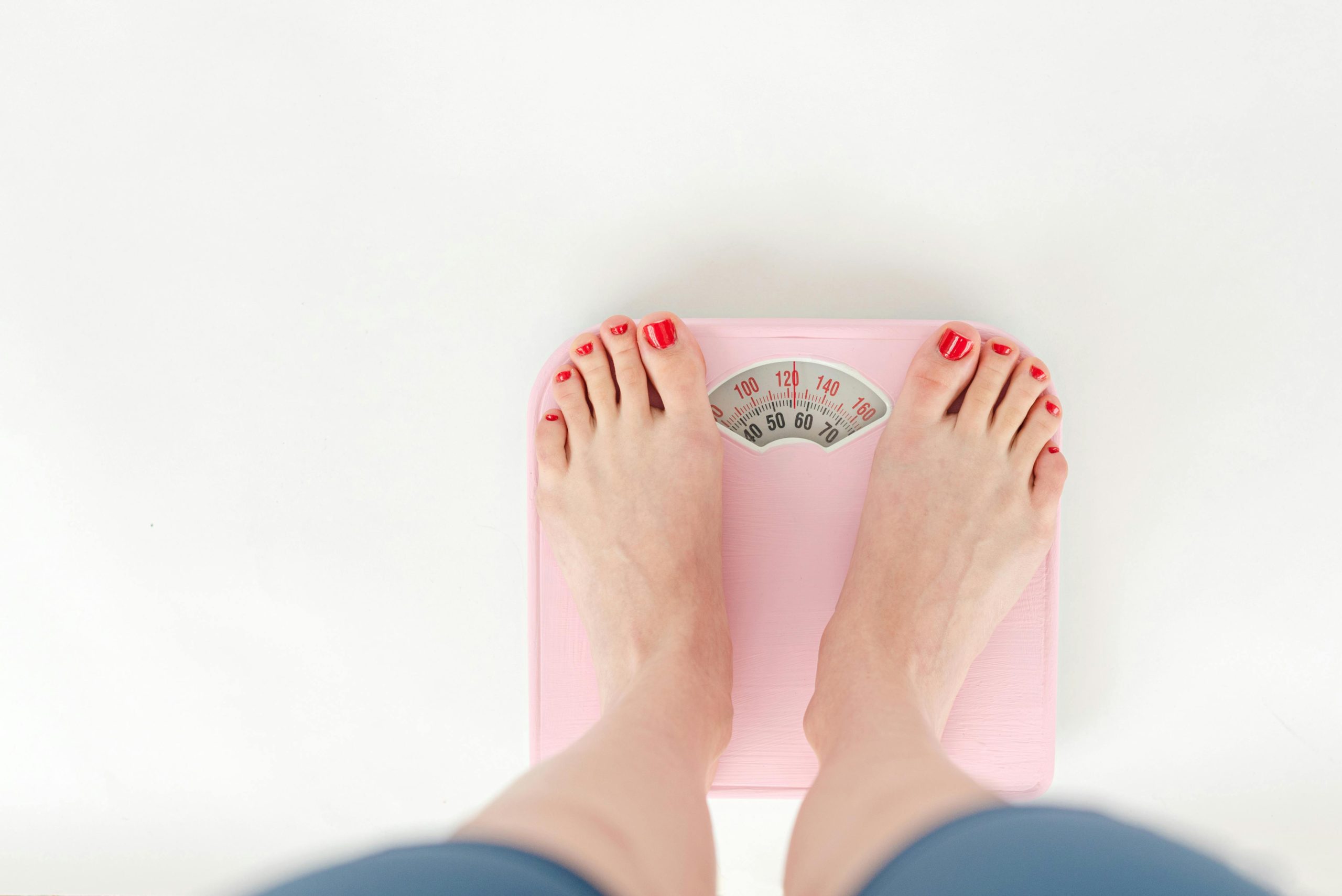
In your 20s and 30s: Protect your sleep, not just your steps
Careers, studies, young children and side hustles often mean late nights and early mornings. But short, poor-quality sleep can disrupt hunger hormones, increase cravings and make it harder to stick to any eating plan.
Try to give yourself a regular sleep routine most nights, even if it just means going to bed 30 minutes earlier than you do now. Simple habits like dimming screens before bed or a short wind‑down routine cost nothing but can ease weight challenges over time.
In your 40s and 50s: Respect your hormones and your mental load
Perimenopause and menopause can change how and where your body stores fat and are linked to increased weight gain and metabolic risk. The added mental load of work, parenting and caring for ageing parents can make stress levels soar. Try gentle strength training and become aware of stress-aware eating, this means asking “am I hungry or just frazzled?”, along with prioritising rest. These are powerful, realistic steps.
“The mind’s power is central to health ownership,” says Carpenter. “When we can support better sleep and mental wellbeing, we can unlock better choices during the day, especially for people living with chronic stress and tight budgets.”
In your 60s and beyond: Focus on strength, connection and routine
Later in life, maintaining muscle, mobility and social connection become more important than chasing a specific number on the scale. As we age, we naturally lose muscle, which can slow metabolism and make everyday tasks and recovery harder, so staying active with regular, low‑impact movement becomes key.
Options like walking groups in your community, light weight training at home (even using household items like water bottles), gardening or dancing in your living room can all help keep joints flexible and muscles strong. Build a routine you enjoy, for example: a short morning walk with a neighbour or a weekly class at a local community centre can support mental wellbeing and reduce loneliness.

Make “healthy on a budget” your strategy, not a slogan.
With the financial pressures of the times we are living in, many households feel healthy food is out of reach. Simple swaps can help:
- Build meals around affordable staples such as beans, lentils, eggs and frozen vegetables.
- Reserve takeaways for planned occasions, not stress emergencies.
- Shop with a list and avoid going when you’re feeling exhausted or very hungry.
“We help our members turn healthy habits into real money by giving rewards for realistic goals – like doing simple health and fitness checks or staying active and getting enough rest. These rewards can be used to help pay for day-to-day healthcare, their medical aid, gym fees or even future needs like retirement and education. It’s a way to get more value from your medical scheme while supporting a healthier, more sustainable health journey at every age,” adds Carpenter.
For more information, visit the Multiply website and get rewarded from day one for every step you take towards owning your health.